24 Hour Semi Truck Tire Repair Houston for Commercial Vehicles
Expert Tire Services: Get Back on the Road With Care and Speed
Professional tire services play a crucial role in assuring vehicle safety and performance. Skilled technicians perform in-depth inspections to recognize different tire problems. From flats to balance issues, every problem requires thorough consideration. Knowing when to get professional support can prevent additional issues. As drivers manage these hurdles, they might ponder about the optimal repair options and care routines. Looking into these matters can result in sound choices and safer travels moving forward.
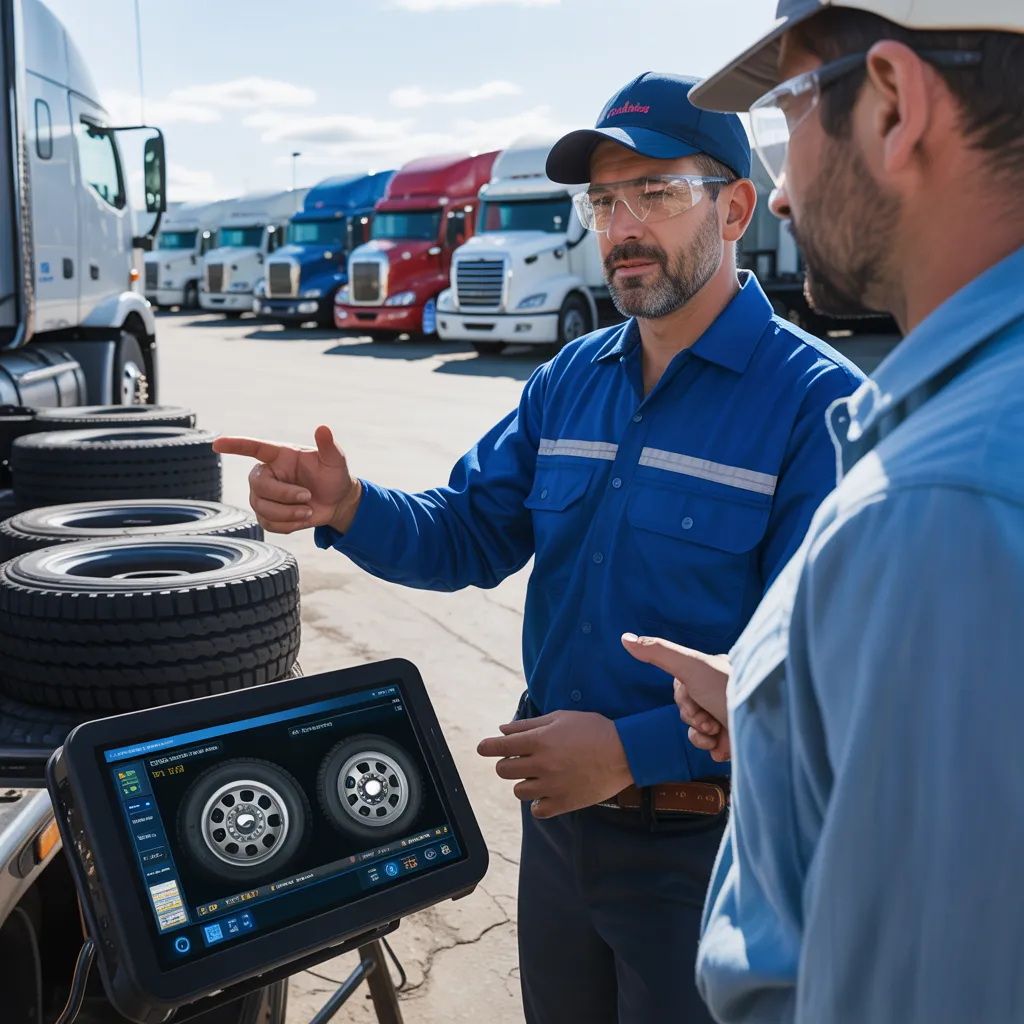
Common Tire Problems to Understand
When motorists neglect to monitor their tires, they may face several frequent concerns that can affect safety and performance. One frequent occurrence is underinflation, which can lead to increased tire wear and decreased fuel efficiency. Over time, this can result in the tires to overheat, increasing the risk of a blowout. Another common problem is tread wear, which impacts traction and handling, particularly in wet conditions. Uneven wear may indicate alignment or suspension issues, requiring further inspection. Additionally, drivers may experience punctures or sidewall damage from road hazards, causing slow leaks or complete tire failure. Regular tire rotations, inspections, and proper inflation are critical for preventing these issues. Finally, environmental conditions can also contribute to tire degradation, making it vital for drivers to pay close attention to their tire health. By recognizing these common problems, drivers can improve their safety on the road.
How to Identify When to Get Tire Work?
Spotting the clues that tire repairs are critical is vital for maintaining vehicle safety and performance. Drivers should be vigilant for definite clues that suggest tire difficulties. Uneven degradation patterns on the surface, as an example, may indicate wheel balance difficulties or low air pressure. In addition, visible damage, such as cuts, bulges, or punctures, typically requires rapid care. An abrupt decrease of air pressure or frequent requirement for inflation also indicates that repairs may be necessary.
Drivers need to keep an eye on handling and performance changes, such as shakes or pulling to one side, which could reveal tire imbalances or internal damage. Also, regularly checking the tread's depth is critical; tires with areas of wear decrease traction. By noticing these signs, drivers can secure timely repairs, supporting both safety and vehicle longevity. Dealing with these issues quickly not only guards against potential accidents but also reduces more extensive repair costs later on.
What You Should Know About the Tire Restoration Steps
The tire servicing process usually consists of several vital actions to guarantee safety and efficiency. Initially, a technician inspects the tire for visible damage and assesses its complete condition. This examination assists in determining whether the tire can be repaired or needs replacement. After the inspection, the technician might remove the tire from the wheel to find punctures or internal damage.
Once any issues are identified, the technician cleans the affected section and readies it for restoration. This may include applying a seal or plug, based on the nature and position of the harm. After the fix is finished, the tyre is remounted and properly filled to the manufacturer's specifications.
Finally, a quality check validates that the work adheres to safety guidelines. Throughout the workflow, service professionals focus on dialogue, informing the customer of findings and recommendations. This structured approach guarantees a trustworthy restoration, allowing drivers to return to the road with confidence.
Do-It-Yourself Tire Maintenance versus Professional Assistance
Upon understanding the tire repair process, many drivers may think about whether to tackle repairs independently or get expert assistance. DIY tire repairs can be attractive, notably for those with basic technical skills and implements. Simple holes can often be mended using repair kits available at auto supply stores, reducing both effort and money. However, this strategy involves risks if proper procedures are not applied, conceivably creating additional damage or safety concerns.
On the flip side, expert tire repair providers supply knowledge and specialized equipment. Skilled technicians can properly evaluate tire damage, guaranteeing repairs are dependable and safe. They can also uncover underlying problems that a do-it-yourself method might overlook. Ultimately, the decision regarding DIY repairs versus professional assistance relies on the driver's confidence, expertise, and the extent of the tire damage. Establishing a thoughtful choice is critical for maintaining safety while driving.
How to Choose the Top Tire Repair Service
How should drivers make sure they choose the finest tire restoration service? First, they should examine local options, concentrating on customer feedback and evaluations. This information gives clarity into the service quality and reliability of various shops. Next, checking for qualifications and affiliations with well-known automotive organizations can indicate skill and experience.
Moreover, motorists should inquire the repair options available, ensuring the facility can handle their specific tire issues. Honest pricing is also critical; trusted shops furnish explicit estimates without hidden charges.
In addition, evaluating the shop's coverage options on maintenance work can offer peace of mind. Finally, convenience counts—nearness to home or work, as well as available hours, can influence the selection process. By taking into account these factors, vehicle operators can confidently pick a auto repair valuable resource service that serves their needs effectively.
Worth of Diligent Tire Service
Regular tire maintenance delivers numerous benefits that extend the lifespan and output of tires. By regularly inspecting tire pressure, tread wear, and general state, vehicle owners can guarantee optimal grip and handling. Proper inflation decreases deterioration, improving fuel efficiency and saving money at the pump. In addition, routine checks can help detect issues such as uneven wear or harm, allowing for timely repairs that avoid greater issues down the road.
Properly maintaining tires further raises safety by cutting down the risk of punctures or accidents from insufficient tread. Furthermore, a well-serviced set of tires provides a smoother ride, enhancing comfort for both driver and passengers. Through investing effort in regular tire care, individuals are able to maximize their investment’s value, securing dependable performance and peace of mind while driving. In conclusion, regular tire maintenance is a vital part of responsible vehicle ownership.
Advice on Preventing Future Tire Problems
Deliberately maintaining tires can greatly reduce the likelihood of future problems. Regularly checking tire pressure is vital; deflation can lead to premature wear and diminished fuel efficiency. It is wise to review tires for visible impairment, such as cuts or bulges, which may indicate structural complications. Cycling tires every 5,000 to 8,000 miles helps make certain level wear, increasing their lifespan.
Additionally, maintaining proper alignment and balancing is important to avoid uneven tread wear. Drivers should also monitor tread depth, employing the penny test as a simple method; if Lincoln's head is visible, it's time for a new tire. Finally, avoiding overloading the vehicle can reduce excessive strain on tires. By implementing these strategies, vehicle owners can improve tire lifespan and support a safer driving experience.

Frequently Asked Questions
How much time will a typical tire repair take?
A standard tire service typically involves 30 minutes up to an hour based on the amount of damage and the particular repair required. Variables like technician availability and shop workload can also modify the duration.
Do All Tire Models Allow Restoration?
Certain tire types are beyond repair. Most commonly, tread punctures in passenger tires could be repairable, though damage along the sidewall, substantial wear, or tires featuring several repairs typically require new tires to guarantee safety.
Understanding the Cost of Getting Your Tires Repaired?
The cost of tire repairs usually falls from $10 to $30, depending on the wear and location. Factors such as tire type and service provider may influence the final price, making it subject to change.
Is Tire Repair Covered in Insurance?
Protection for tire repairs differs by your insurance policy. Some plans offer emergency roadside support and repair expenses, though some policies do not include such coverage. It's necessary for people to look over their particular policy details to establish what coverage covers tire maintenance.
What Approaches Can Assist Me Prolong My Tire's Durability?
To extend a tire's lifespan, regular maintenance is essential. This features keeping pressures balanced correctly, rotating tires frequently, ensuring proper alignment, avoiding overloading, and watching tread wear for signs of wear or damage.